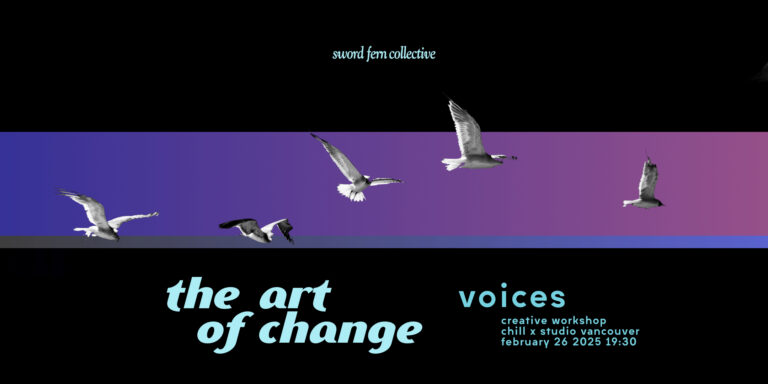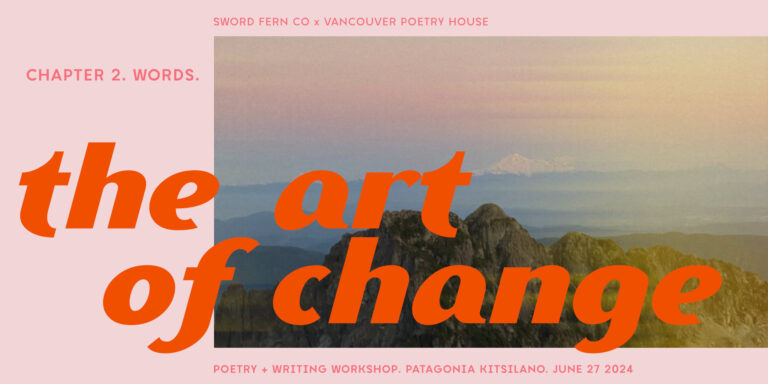

What does change sound like?
Our theory of change is that building personal capacity is necessary for social transformation. And if we want our communities to thrive, we also need to connect people with their positionality, their community, and personal conviction.
That’s the theory behind The Art of Change. Our goal is to use art to get people to connect with one another and explore their own inner worlds. And maybe we can feel a little less alone when tackling these big crises.
We also believe that if we want to change the world, we first need to be willing to change ourselves. And to want to change ourselves, we first need to be willing to engage in reflection and dialogue. That’s why our events are participatory: as an audience member you will be expected to engage with the performance and each other! We believe that everyone has something to teach and to learn, and we want to support community solidarity and growth.
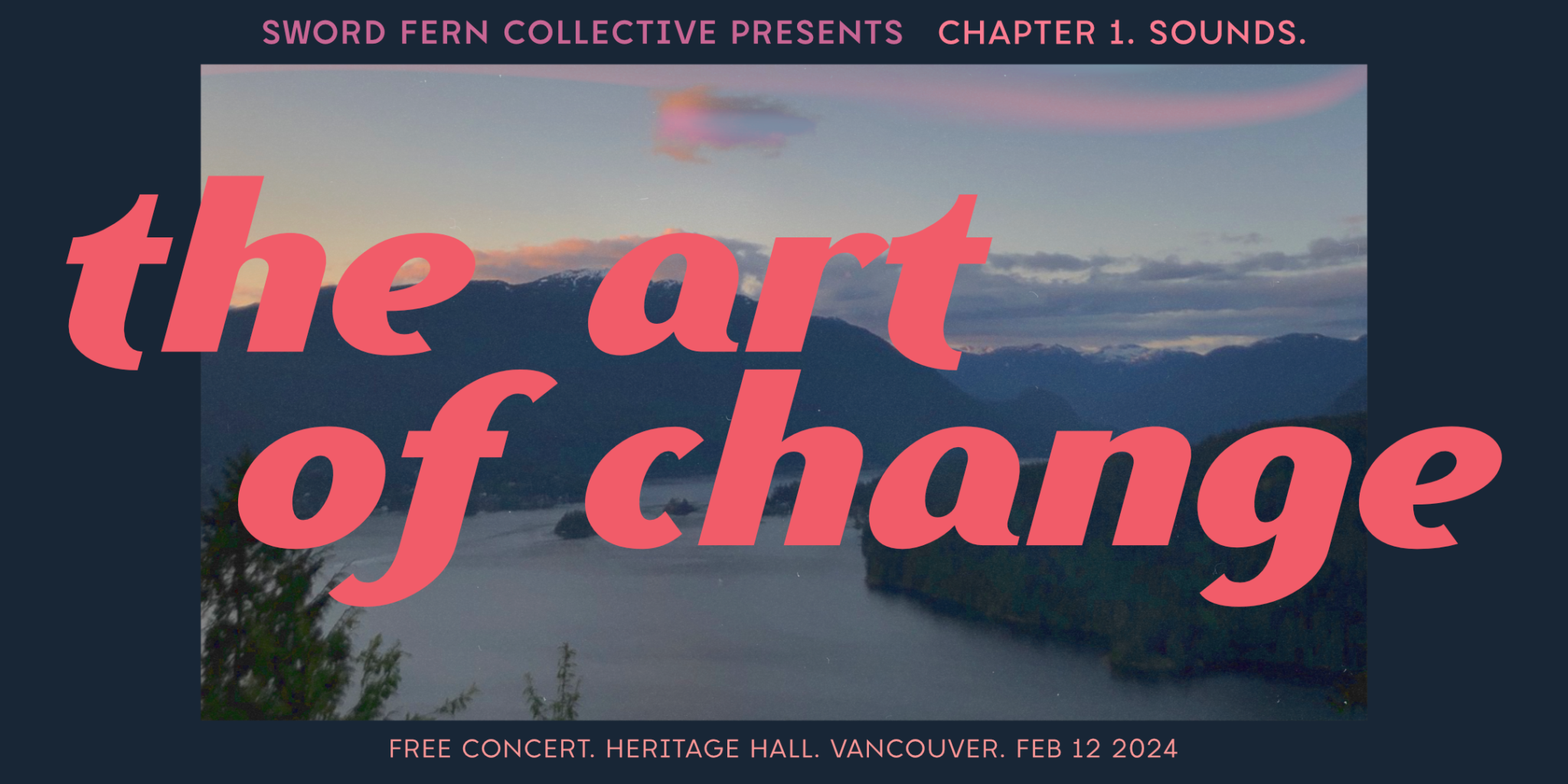
On February 12th, 2024, we hosted our first Art of Change around music and sound. We had a talented string quartet that moved us with music and a great community dialogue session afterwards.
Something that emerged from our community discussions is that this work extends beyond addressing the climate crisis. And of course it should. The climate crisis does not exist in a vacuum—if we truly want to tackle the root causes, we need to go all the way back up the stream. The roots are systemic—and we believe they emerge from a lack of connection, community, and care. So our goal is no longer just about using music to move people, it’s about using music as an excuse to get different people in the same room to talk about hard things.
Read the full event report PDF.
Thank you to our generous sponsors Ocean Wise, Youth Climate Lab, and Vibe Events for making this event possible, and free for the community.
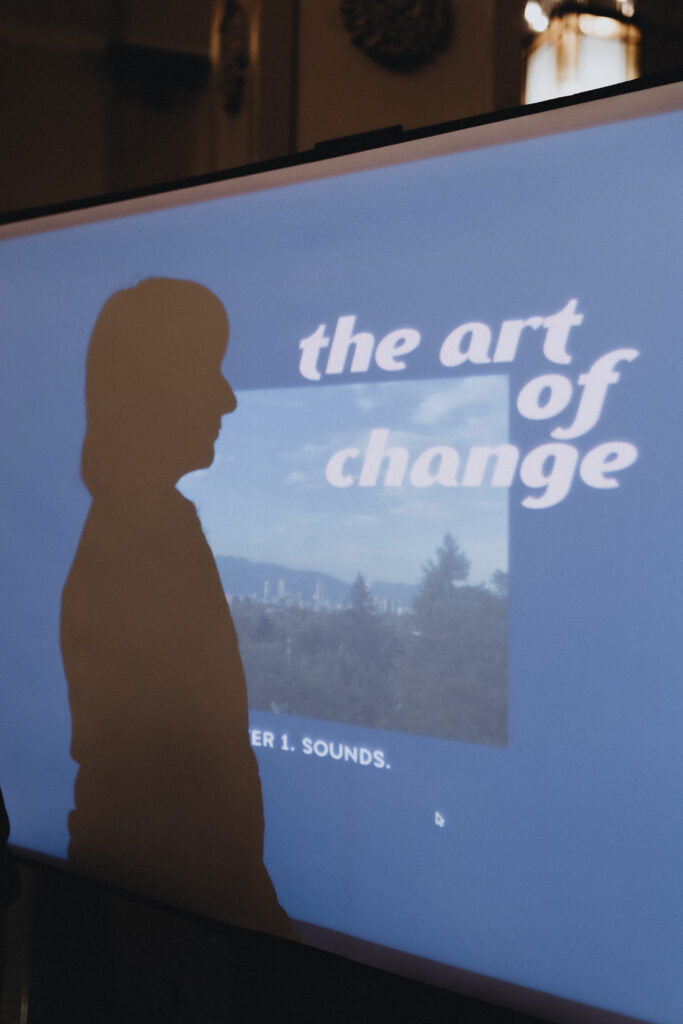
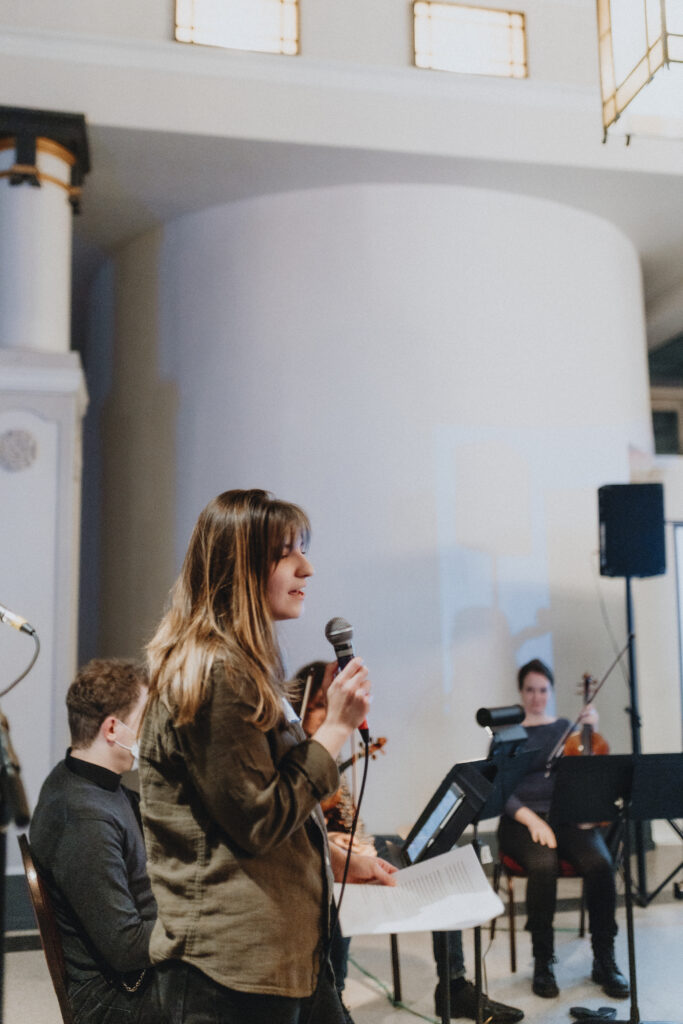
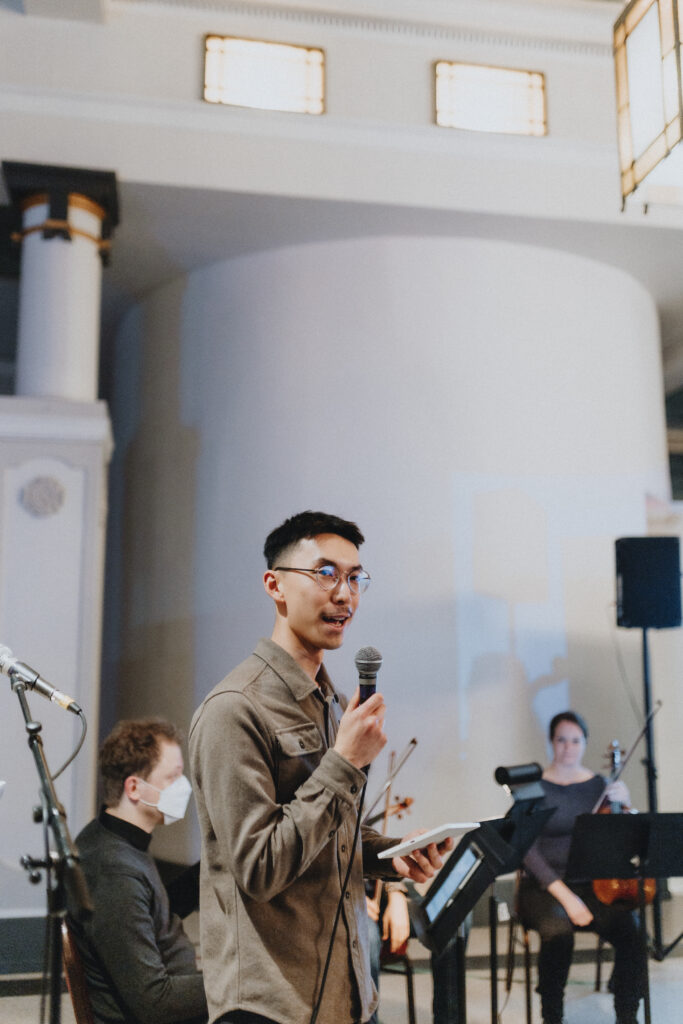
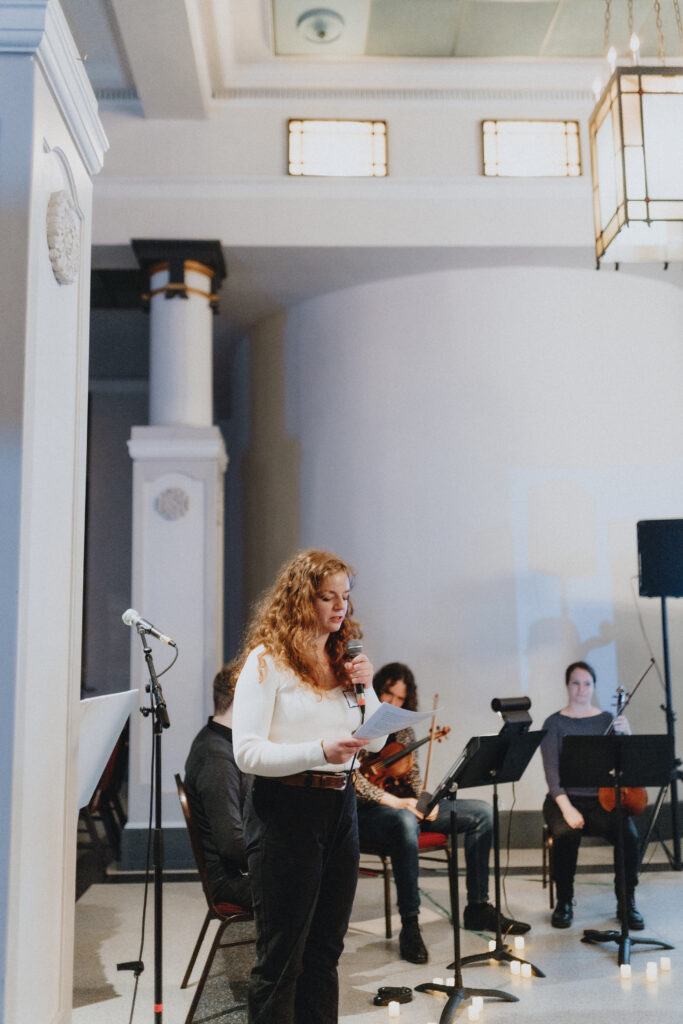
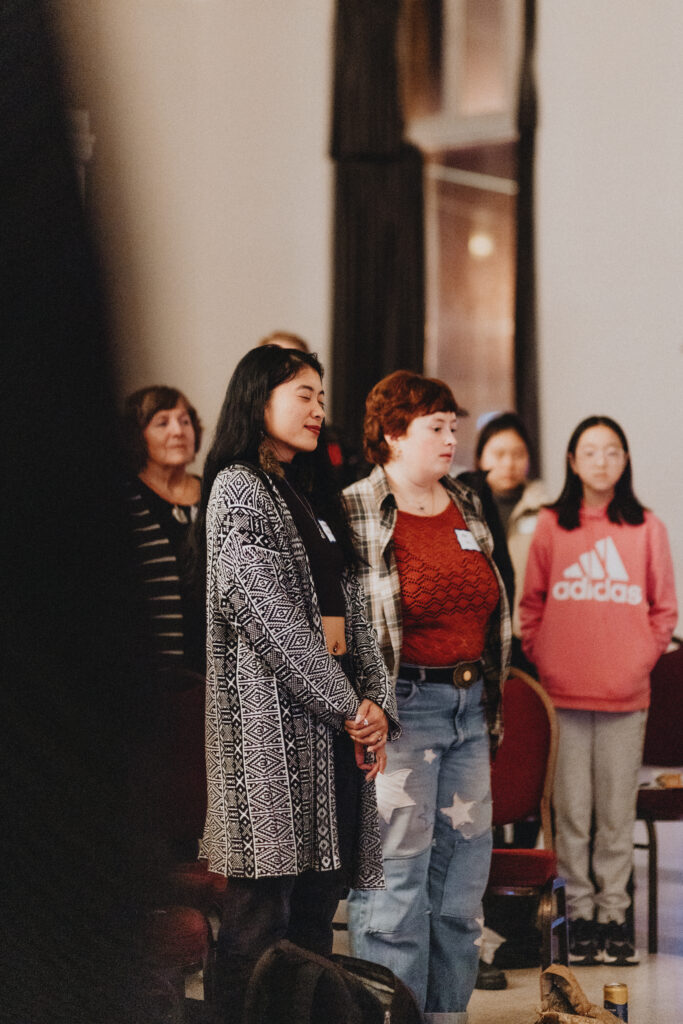
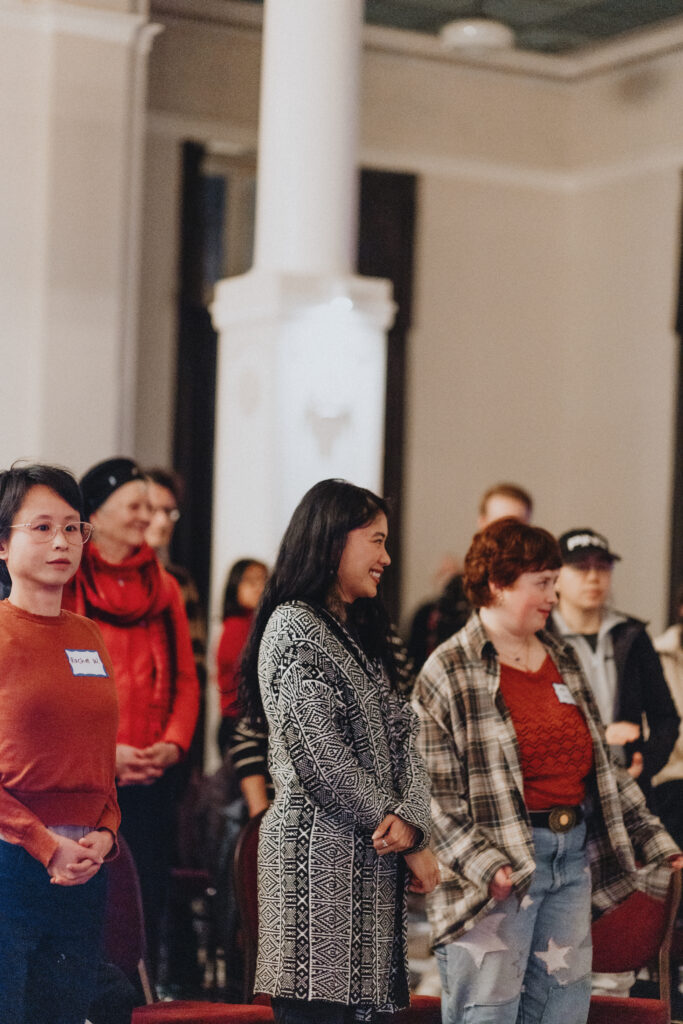
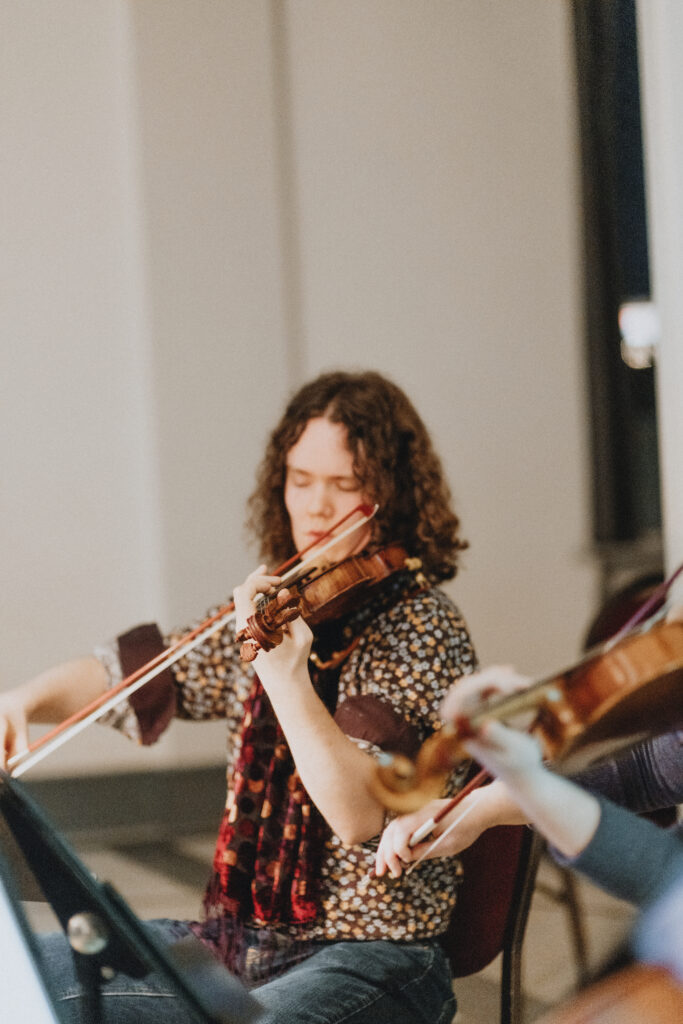
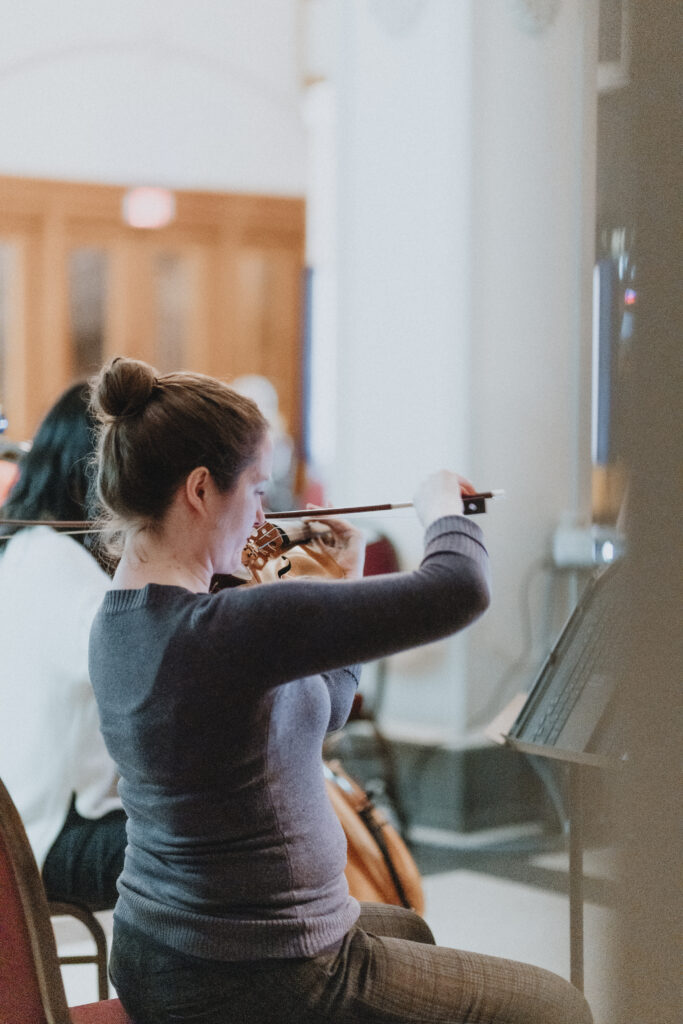
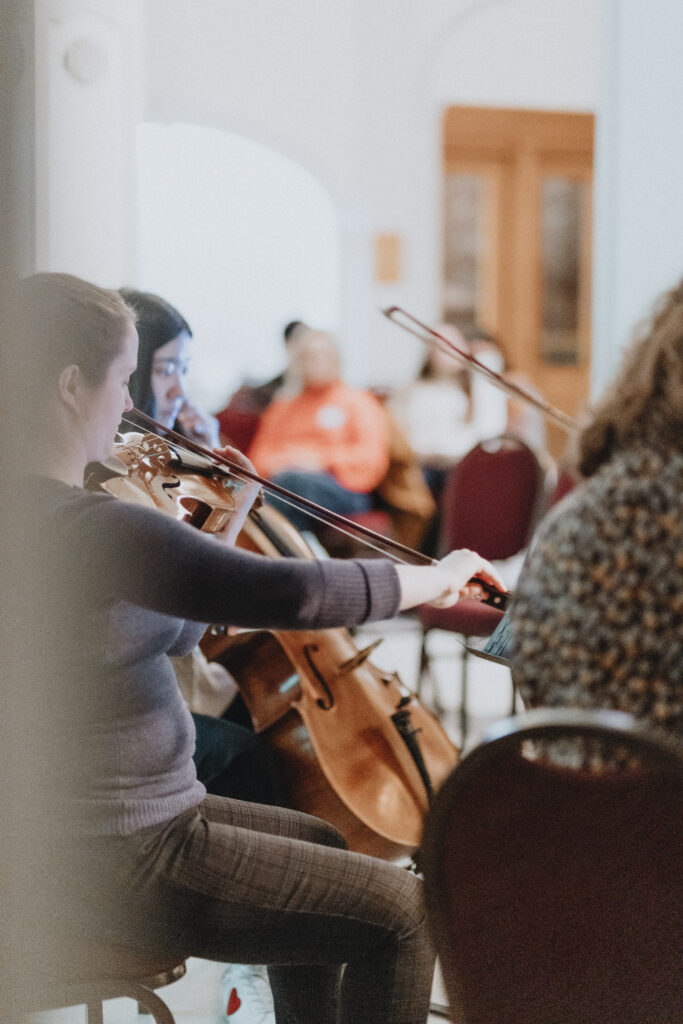
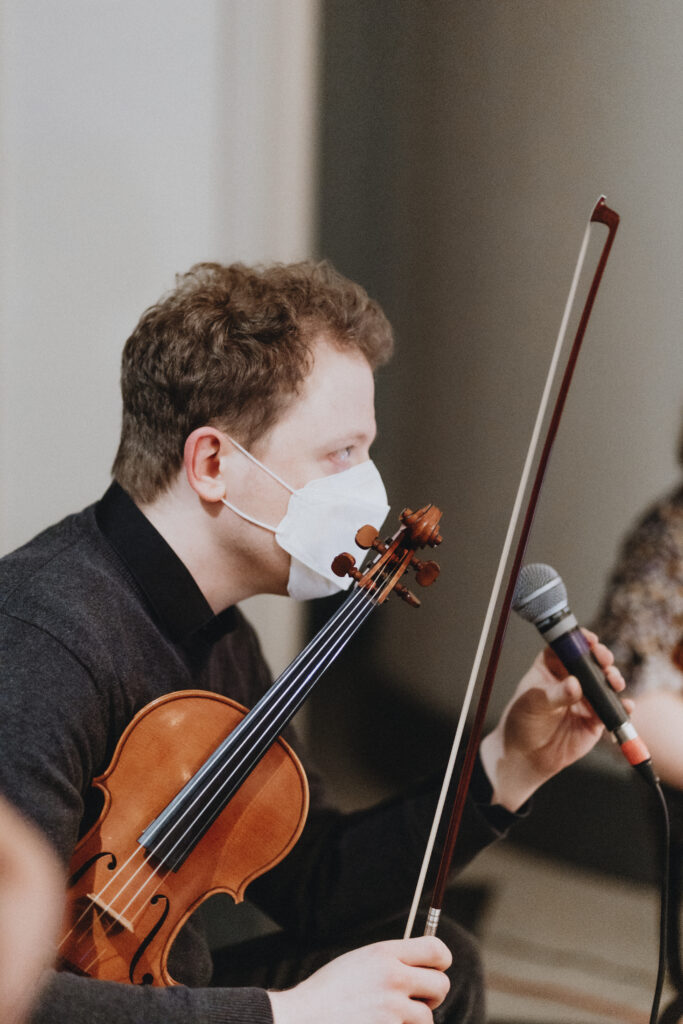
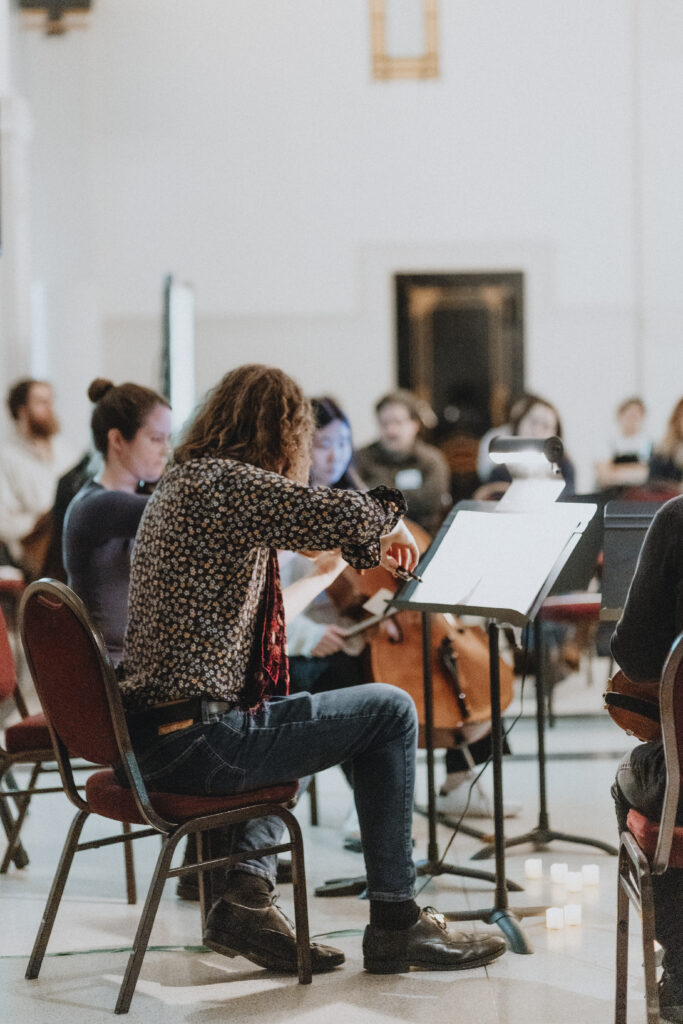
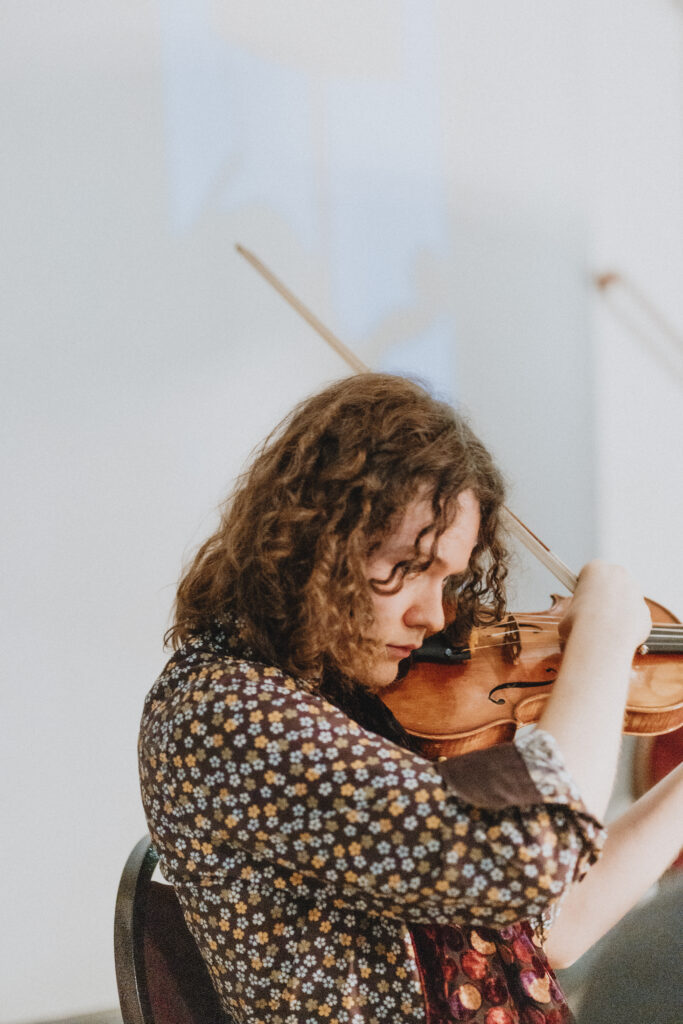
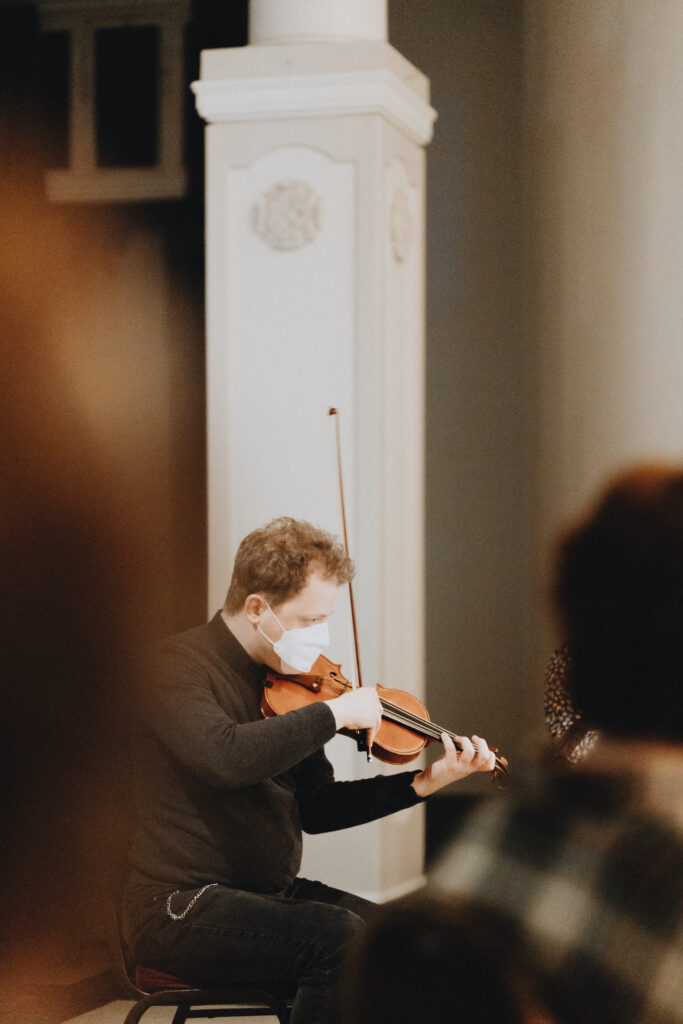
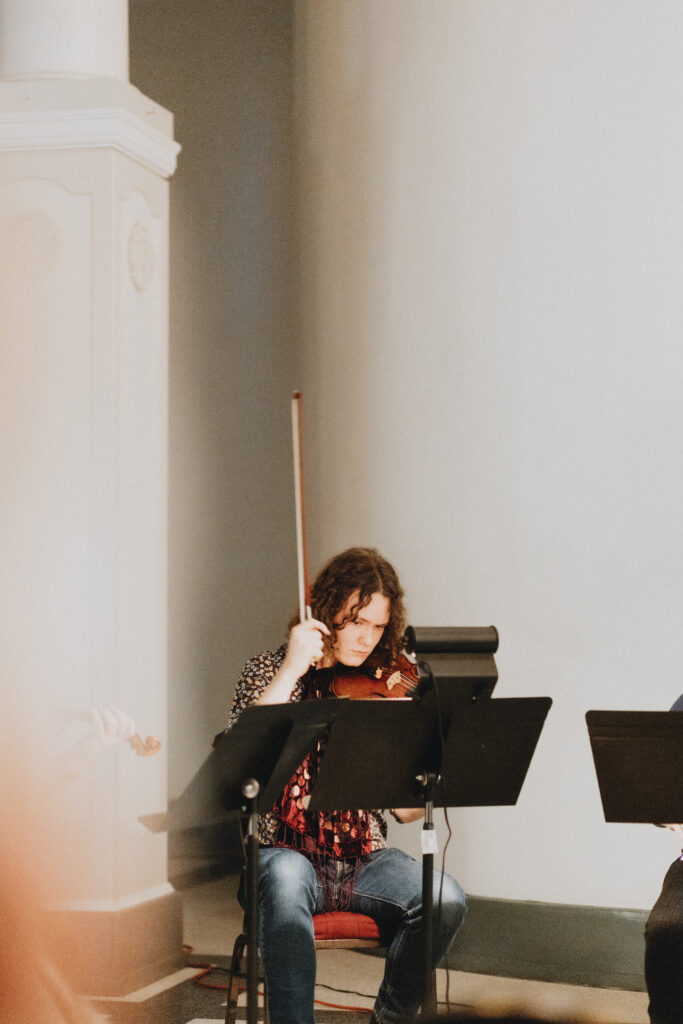
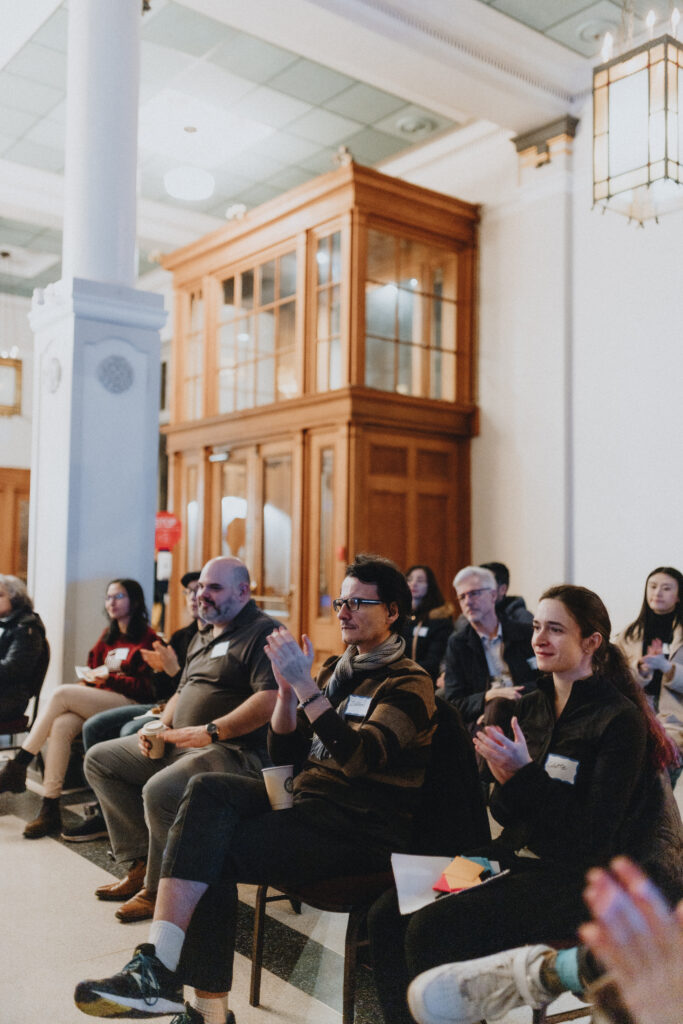
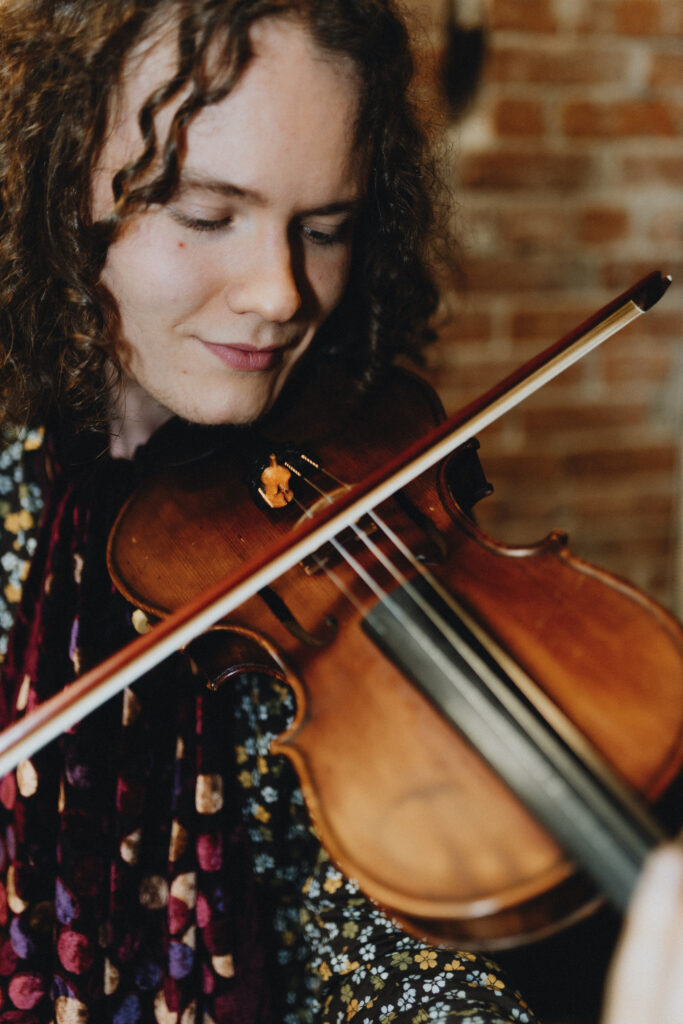
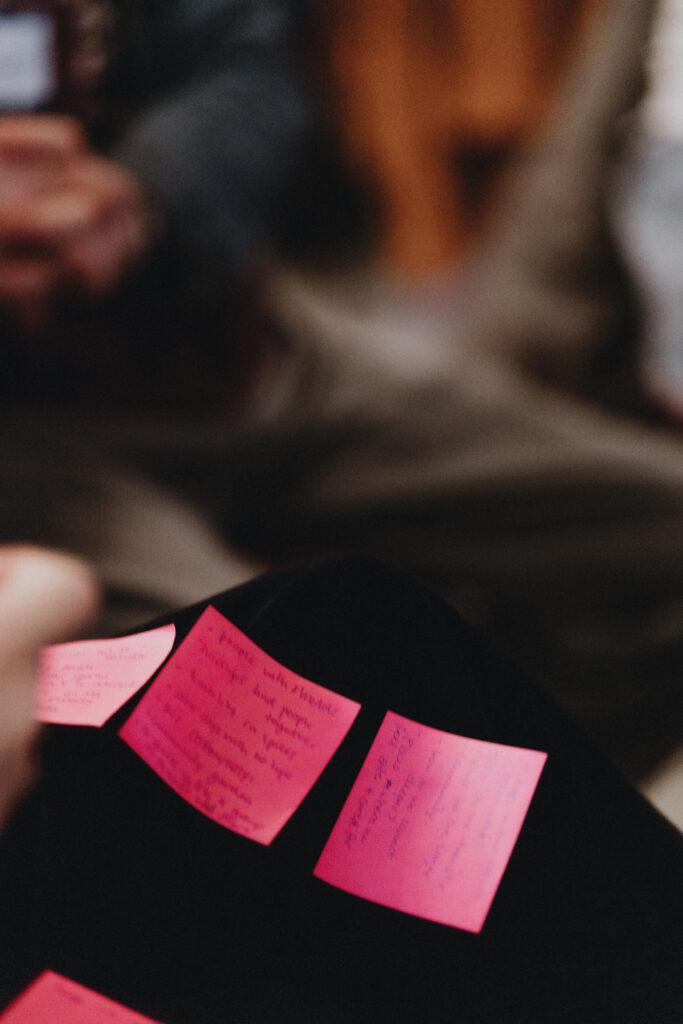
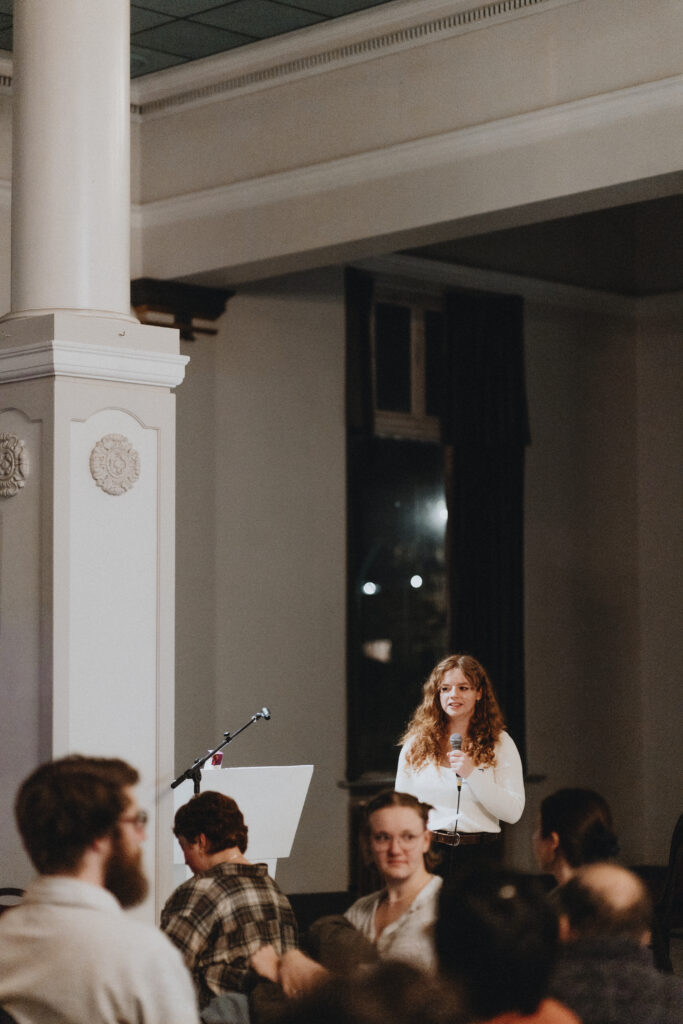
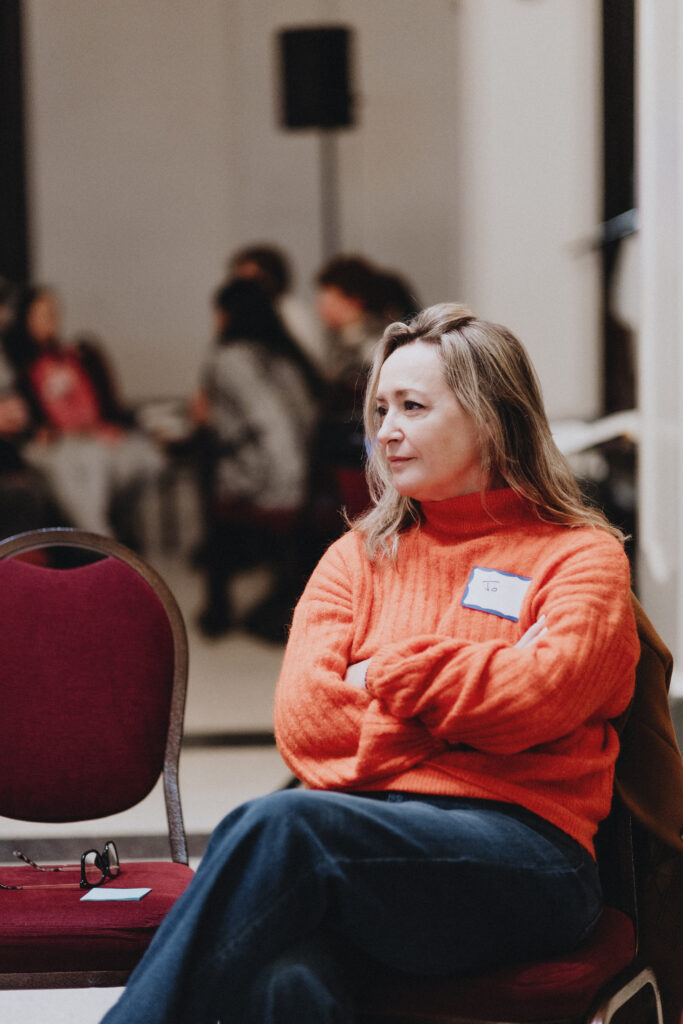
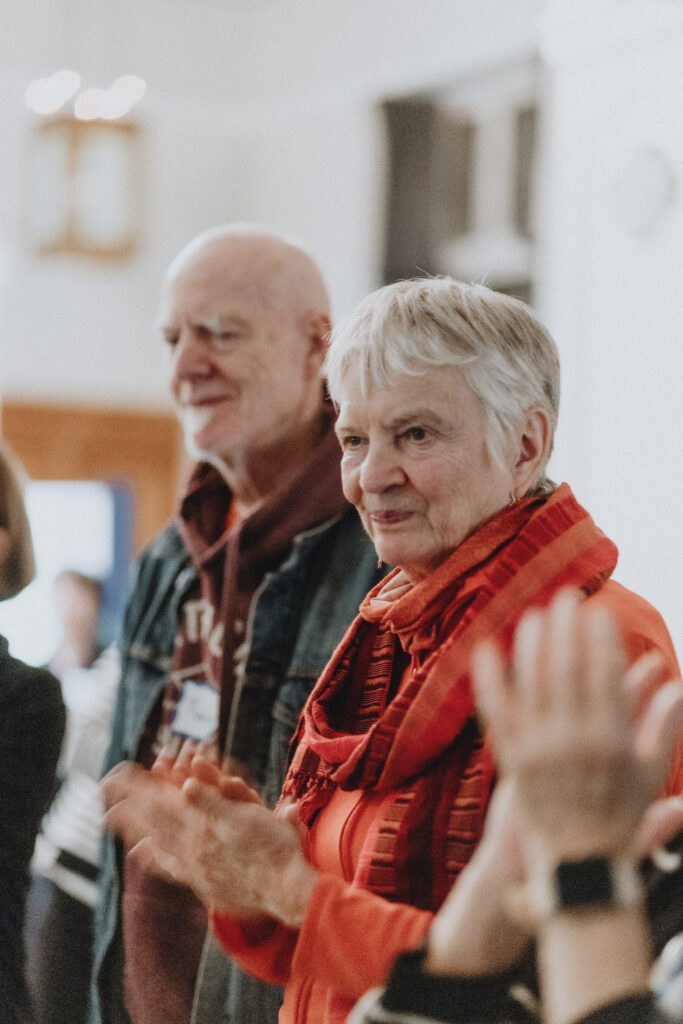
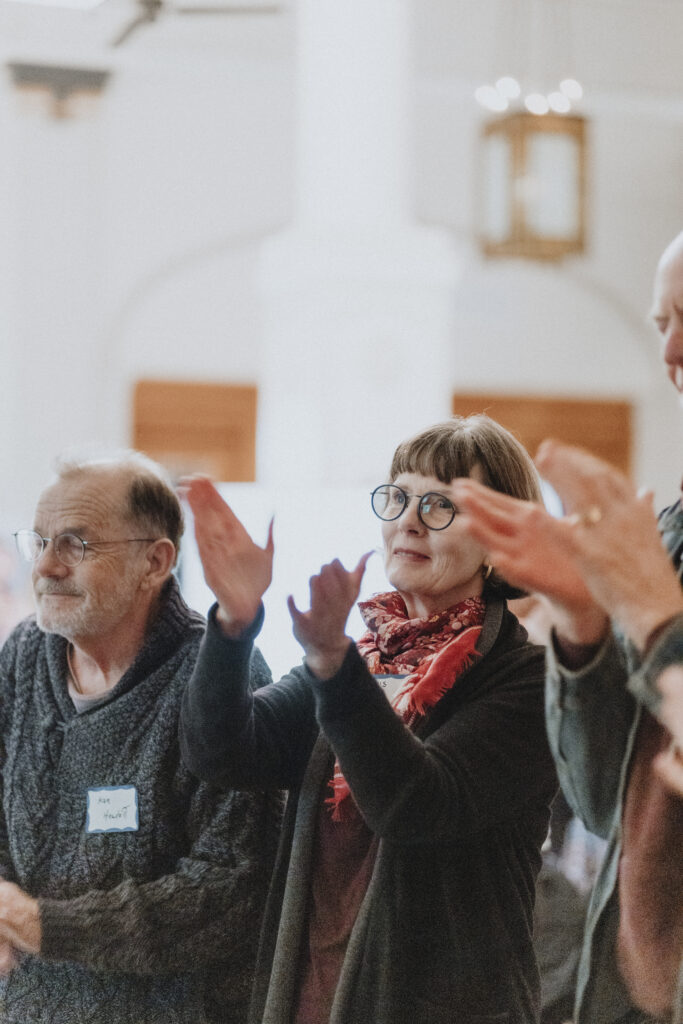
photos courtesy Danielle Campani
What we learned
There are big emotions around climate and community action. We need to keep making space for these in our communities.
We need multiple solutions on multiple scales. These might incorporate art, or changes in our built environment.
Solutions need to be nuanced, people want their questions to be heard. Strategies that use art are only the beginning.
It starts with connection. We need to empower communities.
Emotions
A lot of emotions emerged during our discussions, particularly hope, doubt, fear, sadness, and dread.
- Hope (11)
- “Hope in intergenerationality”
- “It starts with a group of friends who share”
- “Art can encourage people to take the next steps on [a] cause they’re interested in”
- “Hope in our closest relationships”
- Doubt (4)
- “Concert for a cause: but does it work?”
- “Art works for people that already care”
- Fear (3)
- “Will home kill me?”
- Sadness (3)
- “…makes me feel sad for the animals and the large ice, forests, deserts, and vast landscapes affected”
- Dread (2)
- “Waiting for a disaster so big and personal that we can finally move beyond arguing and stalling”
Solutions
Participants identified and discussed potential solutions and strategies to address the issues they were facing. Some of them were directly related to using art, while others related to changing the urban environment around them.
- Using art (15)
- “Art expresses change/desire for change”
- “Art to engage the masses”
- “Coping through art”
- “Photography as a consistently powerful means of triggering change”
- “Art can encourage people to take the next steps on cause they’re interested in”
- Changes in urban planning (12)
- “Meeting points, low barrier spaces for people to interact”
- “Change name to remove colonial roots”
- “Artist places needed in city planning”
- “Community garden”
- “Public gyms”
Criticisms
Multiple criticisms also emerged from participant discussions, around our society and as well on the effectiveness of using art as a strategy to tackle the crisis crisis. Notably, participants emphasized the importance of actual action and impact, and that art is just a beginning and not the end.
- “Art works for people that already care”
- “Funny how we keep insisting on the dichotomy between nature and ourselves”
- “Unintended impacts of bad art”
- “Talking about it vs. doing it”
- “People don’t pay attention to climate change until something bad happens personally to them”
- “Participating in an artistic version of a cause can replace actual action against it”
Connection
Participants recognized the importance of building connection between one another, and how connection is essential.
- “All struggles are connected”
- “Sense of intimacy and trust with community”
Questions
Many more questions were asked by participants in response to the questions provided.
- “Is our relationship of nature picturesque or sublime?”
- “Hope in our closest relationships. How do we transfer that to the larger community?”
- “Do we know our neighbours?”
- “How do we articulate future dangers?”
- “Value of interacting with neighbours?”
Final reflection
Our team learned a lot. Firstly, we are blown away by the participation. This really proves that it is possible to combine the arts and the sciences, and that meaningful community engagement can happen in creative and dynamic ways. Change can happen in a fun way. Bringing people together can (and should!) be joyful, interesting, sometimes uncomfortable, but ultimately empowering.
Most importantly, I hope that this event inspires other people (especially youth) to bring people together in their community. Anybody can be a leader. Sometimes it just starts with a DM.
Finally, we are so grateful to our participants, to our incredible team of volunteers, to our sponsors, and to our friends and family for making this event possible.
With love,
Victor (on behalf of Paige and Erica at Sword Fern Collective)
Special thanks to Danielle Campani Photography, Chester, Eduardo, Warren, Dasha, Sayemin, Amé, Taya, and Owen.